

MicroFiber Glass Wool Insulation Roof Thermal Insulation Model ENF
$ 66.82
MicroRoof Micro Roof glass wool insulation is designed for roofing applications to prevent heat from the roof from entering factory buildings. Factory metal sheet roofs reach maximum temperatures of 70°C during lunch breaks, which transfers heat down to the building, resulting in extremely hot working conditions. Installing roof insulation reduces the temperature transferred from the roof, minimizing it so that people working in the building do not experience excessive heat. In air-conditioned warehouses with cooling systems, installing thermal insulation helps reduce air conditioning workload because less heat is transferred down, and it can retain cool air inside for longer periods. The roof is the area most exposed to water and moisture Thermal Conductivity For thermal insulation applications, the most important consideration is the thermal conductivity value of the insulation (K-value). Thermal conductivity indicates how well insulation can transfer heat. The higher the thermal conductivity value, the more heat can pass through. Therefore, high thermal conductivity means poor insulation, as we want to prevent heat transfer. Thus, thermal conductivity values closer to 0 indicate better thermal insulation. MicroFiber glass wool insulation has submitted materials for thermal conductivity testing to ASTM (American Society for Testing and Materials) according to ASTM C518 testing standards to determine the material’s thermal conductivity value. Moisture Absorption Moisture absorption of roof insulation is extremely important because roofing applications may develop holes over time as materials wear out and roofs develop leaks, causing rainwater to drip onto the insulation. If the insulation material absorbs water, it will become heavier and water will be more difficult to evaporate. However, MicroFiber glass wool insulation has been tested for water absorption according to ASTM C411 standard, which tests material water absorption. From these test results, we achieved a water absorption value of < 1%, which is very low. When we test by dropping water onto MicroFiber glass wool insulation, water droplets do not penetrate the insulation material but cluster together as droplets on the insulation surface and naturally evaporate. Water droplets on glass wool form beads without penetrating the glass wool. Mold Resistance Roof thermal insulation is installed under roofs where inspection for integrity is quite difficult. If mold or damage occurs, insulation should not promote the growth of organisms like mold or fungi that could affect indoor air quality. MicroFiber glass wool insulation is a product that does not promote mold growth and is not a food source for organisms, so there is no concern about damage from mold or fungi. It can be used with buildings long-term. When temperature and humidity are suitable, mold problems often occur Surface Burning Characteristic According to the 2006 International Building Code (IBC), it specifies that wall surface materials and ceiling materials inside buildings must be classified for surface flame spread according to ASTM E84 standard, with additions by NFPA (National Fire Protection Agency) according to NFPA 101 Life Safety Code standard, which requires classification of wall surface materials and ceiling materials inside buildings as Class A, Class B, Class C tested according to NFPA 255, ASTM E84, or UL 723. Testing provides two values: Flame-Spread Index (FSI) and Smoke Development Index (SDI), and materials are classified based on these values. Material Classification Table for Surface Fire Spread According to ASTM E84 Flame-Spread Index (FSI) Smoke Development Index (SDI) Class 1 or Class A 0 – 25 450 Maximum Class 2 or Class B 26 – 75 450 Maximum Class 3 or Class C 76 – 200 450 Maximum According to the surface fire classification table per ASTM E84 standard, MicroFiber glass wool insulation is classified as Class 1 or Class A because it has a Flame-Spread Index < 25 and Smoke Development Index < 50. Installation Methods 1.) Installing insulation in rafter spaces (with wire mesh attached between rafters) Install insulation along rafter spaces with Wire Mesh or Chicken Wire installed between rafters or under rafters to support the insulation. This can be installed on roofs under new construction. Installing insulation in rafter spaces with wire mesh attached between rafters 2.) Installing insulation in rafter spaces (with wire mesh attached on rafters) Install insulation along rafter spaces with Wire Mesh or Chicken Wire installed on rafters to support the insulation. This can be installed on roofs under new construction. Installing insulation in rafter spaces with wire mesh attached on rafters 3.) Installing insulation in rafter spaces (wire tying method) Install insulation along rafter spaces with wire tied to rafters at approximately 30 cm intervals to support the insulation. This can be installed on roofs under new construction and completed roofs. Installing insulation in rafter spaces with wire tying method 4.) Installing insulation across rafters (with wire mesh attached on rafters) Install insulation across rafter spaces with Wire Mesh or Chicken Wire installed on rafters to support the insulation. This can be installed conveniently and quickly on roofs under new construction. Installing insulation across rafters with wire mesh attached on rafters 5.) Installing insulation across rafters (without wire mesh support) Install insulation across rafters without using Wire Mesh or Chicken Wire on rafters to support insulation. Suitable for roofing with rafter spacing not exceeding 1.5 meters. Can be installed conveniently and quickly on new construction roofs. Installing insulation across rafters without wire mesh support 6.) Installing insulation by attachment under floor (Concrete Slab) Attach insulation to concrete slab floor using spindle pins or anchors spaced approximately 20-30 cm apart, and use wire wrapped around anchor heads extending from insulation in diagonal patterns. Drilling and installing anchors must not impact building structure. This can be installed on buildings under new construction and completed buildings. Installing insulation by attachment under floor (Concrete Slab) Product Size Table MicroRoof Roll Type Size Table Density (Kg/m3) Thickness (mm) Size (W x L) 12 50 1.22 x 16.50 75 1.22 x 11.50 16 25 1.22 x 30.50 50 1.22 x 15.25 75 1.22 x 15.25 24 25 1.22 x 30.50 50 1.22 x 15.25 75 1.22 x 15.25 32 25 1.22 x 15.25 50 1.22 x 15.25 75 1.22 x 7.50 48 25 1.22 x 7.50 50 1.22 x 7.50 75 1.22 x 7.50 MicroRoof Sheet Type Size Table Density (Kg/m3) Thickness (mm) Size (W x L) 32 25 1.22 x 2.44 50 1.22 x 2.44 75 1.22 x 2.44 48 25 1.22 x 2.44 50 1.22 x 2.44 75 1.22 x 2.44 Technical Data Table Features MicroRoof Products Test Standard Density 12 Kg/m3 16 Kg/m3 24 Kg/m3 32 Kg/m3 48 Kg/m3 Thermal Conductivity (W/m.K) 0.042 0.038 0.035 0.033 0.032 ASTM C518 Operating Temperature Max Service Temp 233 C ASTM C411 Moisture Absorption < 1% at 49 C (95% RH) ASTM C1104 Corrosion Does not accelerate ASTM C665 Mold Resistance No Growth ASTM C665 Surface Burning Flame Spread ASTM E84 Smoke Developed Fire Testing Class 0 BS 476 Part 6 BS 476 Part 7 ASTM 1530-3 Ignitability Index 0 Spread of Flame Index 0 Heat Evolved Index 0 Smoke Developed Index 1
Related Products

Clear Pallet Wrap Extended Core 400mm x 300m x 20mu
$ 53.64
Add to cart
kabel Outdoor STP Cat5e Vascolink merupakan kabel jaringan untuk
aplikasi outdoor, data LAN dan juga bisa digunakan untuk POE.
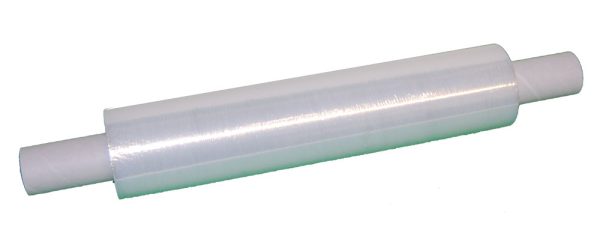 Clear Pallet Wrap Extended Core 400mm x 200m x 34mu
Clear Pallet Wrap Extended Core 400mm x 200m x 34mu
$ 69.73
Read more
Super Premium Cable
UTP Cat5e SPC product merupakan Kabel UTP untuk data LAN dan juga bisa digunakan untuk POE, Terjangkau Tapi Tidak Melupakan Kualitas Telah Lulus Quality Control Sehingga Menjadi Salah Satu Cable LAN Yang Terbaik Di Kelasnya
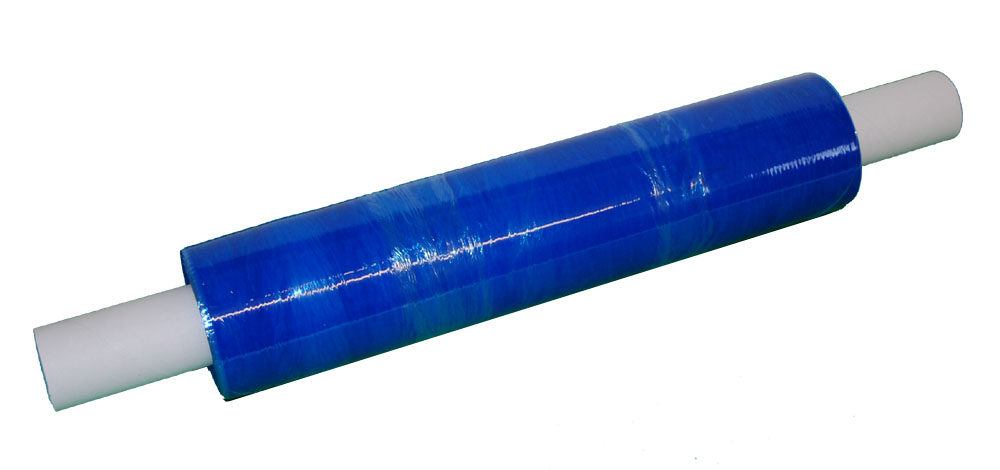
Hand Pallet Wrap Extended Core Blue 400mm x 200m x 20mu
$ 59.48
Add to cart Spesifikasi Kabel UTP AMP CAT6 * UTP CAT 6 (Indoor) * High speed transfer rate 100/1000 Mbps * High quality * Full Copper Conductors * POE Excellent * 305 Meter/ 1000 Feet
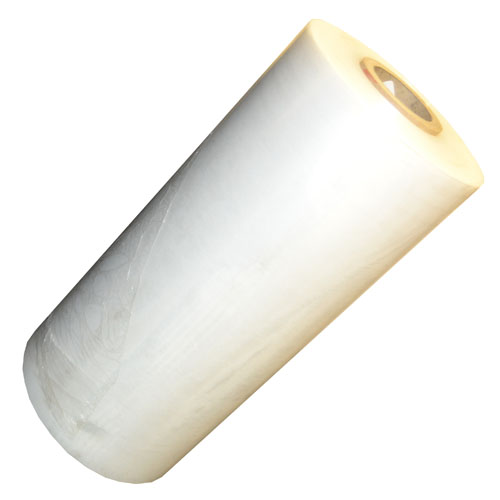
Machine Film Clear Standard Cast 500mm x 1500m x 23mu
$ 75.45
Read more
UTP Category 5E Cable, 4Pair, CM Rated, 0.189in (4.8mm) PVC, 24AWG Solid Copper.LS adalah produk dari LG Electronic Korea. Cable ini sudah teruji untuk aliran data maupun POE. Cable UTP ini sangat cocok untuk instalasi jaringan komputer, ataupun instalasi jaringan wireless akses point POE.
