
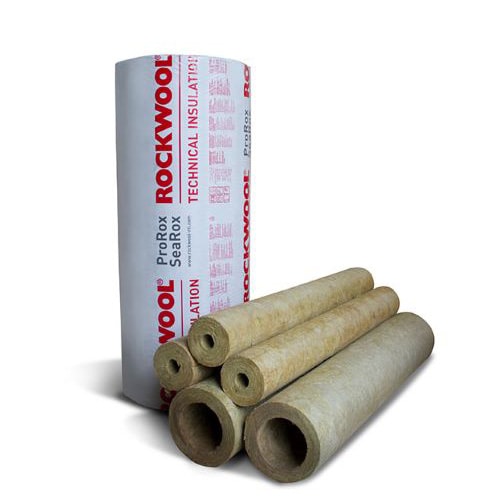
ROCKWOOL Rock Wool Insulation Pre-formed Pipe Type Model ProRox PS960sa WR-TECH
$ 66.85
ProRox PS960sa WR-TECH Rock wool insulation ProRox PS is rock wool insulation in the ProRox series, which is insulation used in industrial applications (Industrial Insulation). Designed as straight pipes 1.2 meters long for easy installation in various piping systems and available in multiple insulation thicknesses (25 – 100 mm). ROCKWOOL rock wool insulation in the ProRox series is specifically designed for industrial applications. It has more extensive testing standards for factory use and testing for substances that may cause damage in factories, such as chloride which is a major cause of rust on pipe surfaces, or water vapor absorption testing to less than 1% by weight. Operating Temperature ProRox PS960 can be used up to 650 degrees Celsius. The hotter the pipe, the thicker the insulation needs to be to prevent people from touching hot pipes and to reduce heat loss from the pipes. We can calculate the appropriate insulation thickness using the RockAssist Program. You can see how to use the RockAssist program in the article How to Use RockAssist Program Thermal Conductivity ASTM C335 Hot pipe systems in industrial plants may have temperatures as high as 500 degrees Celsius which will cause people near these pipes to feel skin irritation or get burned if they touch the pipes. Rock wool insulation is therefore necessary to install on pipe surfaces to protect people from danger. The insulation surface temperature should be 40 – 50 degrees Celsius which is considered not too hot. Another function of insulation is to maintain the temperature inside pipes, for example, steam pipes at 400 degrees Celsius – we need to maintain the internal pipe temperature to prevent it from dropping so the steam can be used for further applications. What we need to consider is the thermal conductivity value of the insulation. Rock wool insulation ProRox PS has been tested for thermal conductivity by ASTM institute with ASTM C335 standard, which tests to find the thermal conductivity value of pipe-form insulation, and achieved test results of 0.037 – 0.083 W/m.K Thermal Conductivity Mean Temp (C) 50 100 150 200 250 300 350 W/m.K 0.037 0.042 0.048 0.055 0.063 0.072 0.083 Max Service Temperature = 650 °C Rock wool pipe insulation ProRox PS can be used up to 650 degrees Celsius and has been tested according to ASTM C411 standard which tests to find the maximum usable temperature. This ensures that ProRox PS rock wool insulation can be used at high temperatures such as steam pipes in power plants or sugar mills. Fire classification and reaction to fire Due to its melting point above 1,000°C, we tested the insulation for fire classification according to EN13501-1 standard, which categorizes materials from A1 to F based on fire behavior. Table classifying materials by fire severity Definition Classification according to European Standard EN 13501-1 Non-Combustible materials A1 A2 – s1d0 A2 – s1d1 A2 – s1d2 A2 – s2d0 A2 – s2d1 A2 – s2d2 A2 – s3d0 A2 – s3d1 A2 – s3d2 Combustible materials – very limited contribution to fire B – s1d0 B – s1d1 B – s1d2 B – s2d0 B – s2d1 B – s2d2 B – s3d0 B – s3d1 B – s3d2 Combustible materials – limited contribution to fire C – s1d0 C – s1d1 C – s1d2 C- s2d0 C – s2d1 C – s2d2 C – s3d0 C – s3d1 C – s3d2 Combustible materials – medium contribution to fire D – s1d0 D – s1d1 D – s1d2 D – s2d0 D – s2d1 D – s2d2 D – s3d0 D – s3d1 D- s3d2 Combustible materials – highly contribution to fire E E – d2 Combustible materials – easily flammable F “s” Smoke emission level: ranges from 1 (low-no smoke) to 3 (high smoke emission) “d” Flaming droplets: ranges from 0 (no droplets) to 1 (many droplets) Table showing levels of smoke production and flaming droplets Additional class Level Definition Smoke emission during combustion S 1 Quantity/speed emission of absent or weak 2 Quantity/speed emission of average intensity 3 Quantity/speed emission of high intensity Production of flaming droplets/particles during combustion D 0 No dripping 1 Slow dripping 2 High dripping From the material classification table, we can see that ProRox PS rock wool insulation is A1 type material which is non-combustible, does not produce smoke and has no fire dripping. Therefore, you can be confident that it is a material that can be used for fire protection. Chloride Testing In industrial insulation work, we are quite concerned about “rust”. The main causes of rust are moisture and chloride substances that accelerate rust formation on pipe surfaces. Rust formation on pipe surface due to moisture Since our pipes are wrapped with insulation, by the time we realize our pipes have rusted, significant damage has already occurred and repair by pipe replacement would cost enormous amounts. Therefore, preventing rust under insulation surfaces or CUI (Corrosion Under Insulation) is extremely important. ProRox PS rock wool insulation has been tested for chloride content in the insulation material according to ASTM C871 standard which tests for quantities of Chloride, Fluoride, Silicate and Sodium Ions within thermal insulation, and achieved test results as expected with specified compounds less than 10 ppm (parts per million). Moisture and water vapor Another important factor in rust formation is water and moisture. The fiber content of rock wool insulation has silicone water repellent added during the manufacturing process, making rock wool insulation fibers highly effective at water resistance. When we pour water on the insulation, it will bounce off like water-coated car windshields. Water droplets will not penetrate the mineral wool insulation and will evaporate on their own We have tested our insulation according to EN 13472 standard to find the water absorption value of the insulation material and achieved test results of only 1% water absorption by insulation weight. Mineral wool insulation causing cancer Only in Thailand is there concern about “mineral wool” causing “cancer”. This is a misunderstanding due to translation issues. Mineral wool insulation (ROCKWOOL) and asbestos are confused due to similar terminology. We will explain the difference. Image of asbestos Asbestos is a naturally occurring group of minerals with white fibers smaller than 0.1 micron, derived from silicate minerals. It can become airborne and break into smaller, sharp fibers. It is a known carcinogen. Image of ROCKWOOL insulation ROCKWOOL mineral wool insulation is produced through a controlled manufacturing process that melts basalt and dolomite rocks to spin fibers 4-6 microns in size. These fibers can break but have large, rounded ends too big to enter the lungs. It does not cause cancer. Table of differences between ROCKWOOL mineral wool insulation and asbestos Difference ROCKWOOL mineral wool insulation Asbestos Raw material Basalt rock, dolomite Silicate mineral group Source Standardized machinery Accumulation of silicate minerals Fiber characteristics 4-6 microns, rounded fiber ends Smaller than 1 micron, sharp fiber ends Health impact Does not cause cancer in humans Causes cancer in humans Classification by International Agency for Research on Cancer Group 3: Not classifiable as to its carcinogenicity to humans Group 1: Carcinogenic to humans We can find information about various carcinogenic substances from the International Agency for Research on Cancer (IARC). The IARC divides products into 3 groups Table classifying carcinogenic substances Group 1 Substances that cause cancer in humans Group 2A Substances that may cause cancer in humans Group 2B Substances that possibly may cause cancer in humans Group 3 Substances that do not cause cancer in humans
Related Products
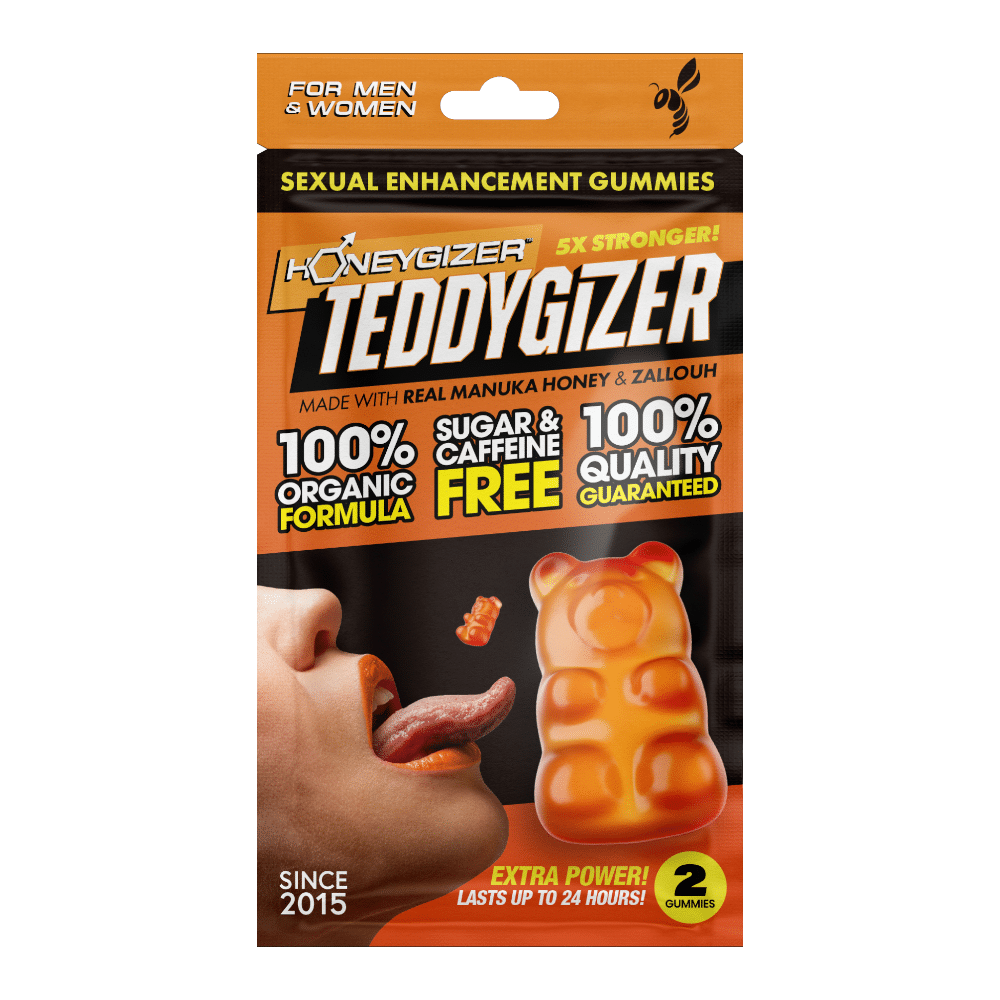
Teddygizer Enhancement Gummy Manuka Honey – 1 ct.
$ 8.54
Add to cart
kabel Outdoor STP Cat5e Vascolink merupakan kabel jaringan untuk
aplikasi outdoor, data LAN dan juga bisa digunakan untuk POE.
 Teddygizer Enhancement Gummy Real Honey & Guarana – 24 ct.
Teddygizer Enhancement Gummy Real Honey & Guarana – 24 ct.
$ 73.79
Read more
Super Premium Cable
UTP Cat5e SPC product merupakan Kabel UTP untuk data LAN dan juga bisa digunakan untuk POE, Terjangkau Tapi Tidak Melupakan Kualitas Telah Lulus Quality Control Sehingga Menjadi Salah Satu Cable LAN Yang Terbaik Di Kelasnya
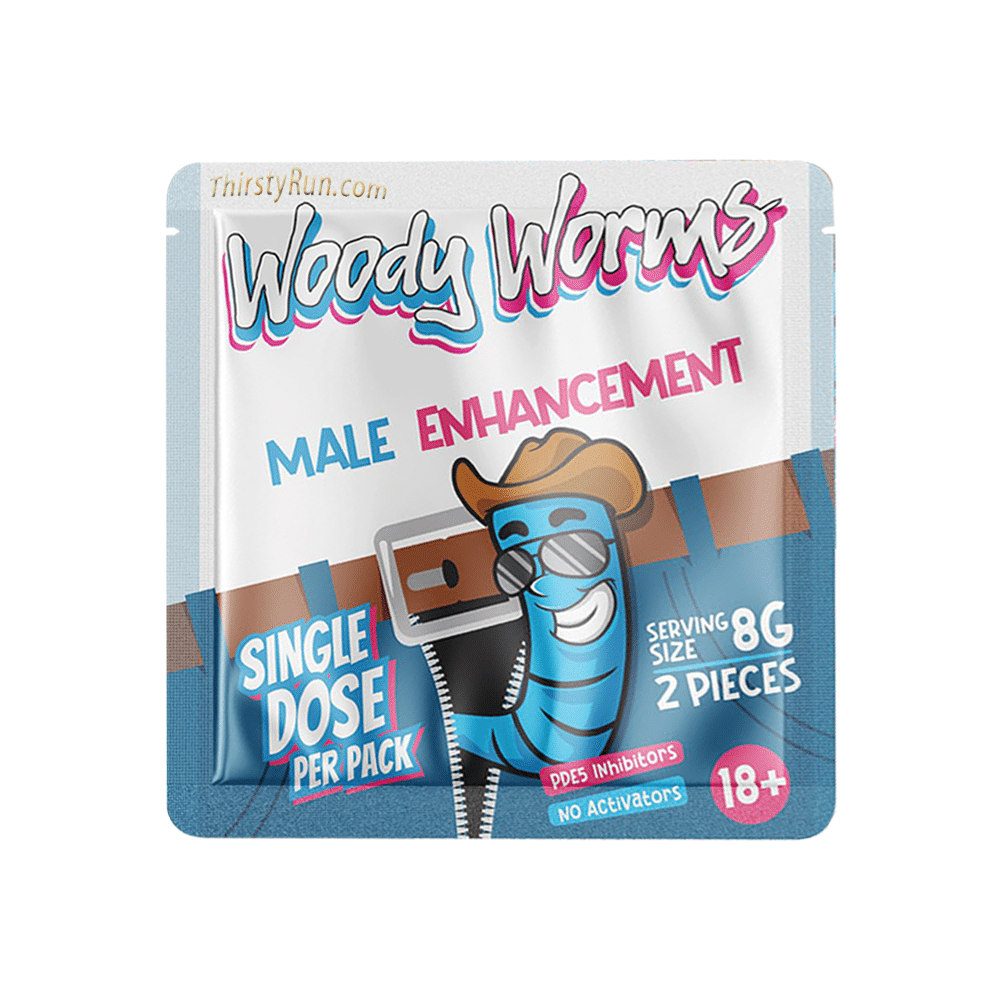
Woody Worms Enhancement Gummies
$ 9.44
Add to cart Spesifikasi Kabel UTP AMP CAT6 * UTP CAT 6 (Indoor) * High speed transfer rate 100/1000 Mbps * High quality * Full Copper Conductors * POE Excellent * 305 Meter/ 1000 Feet
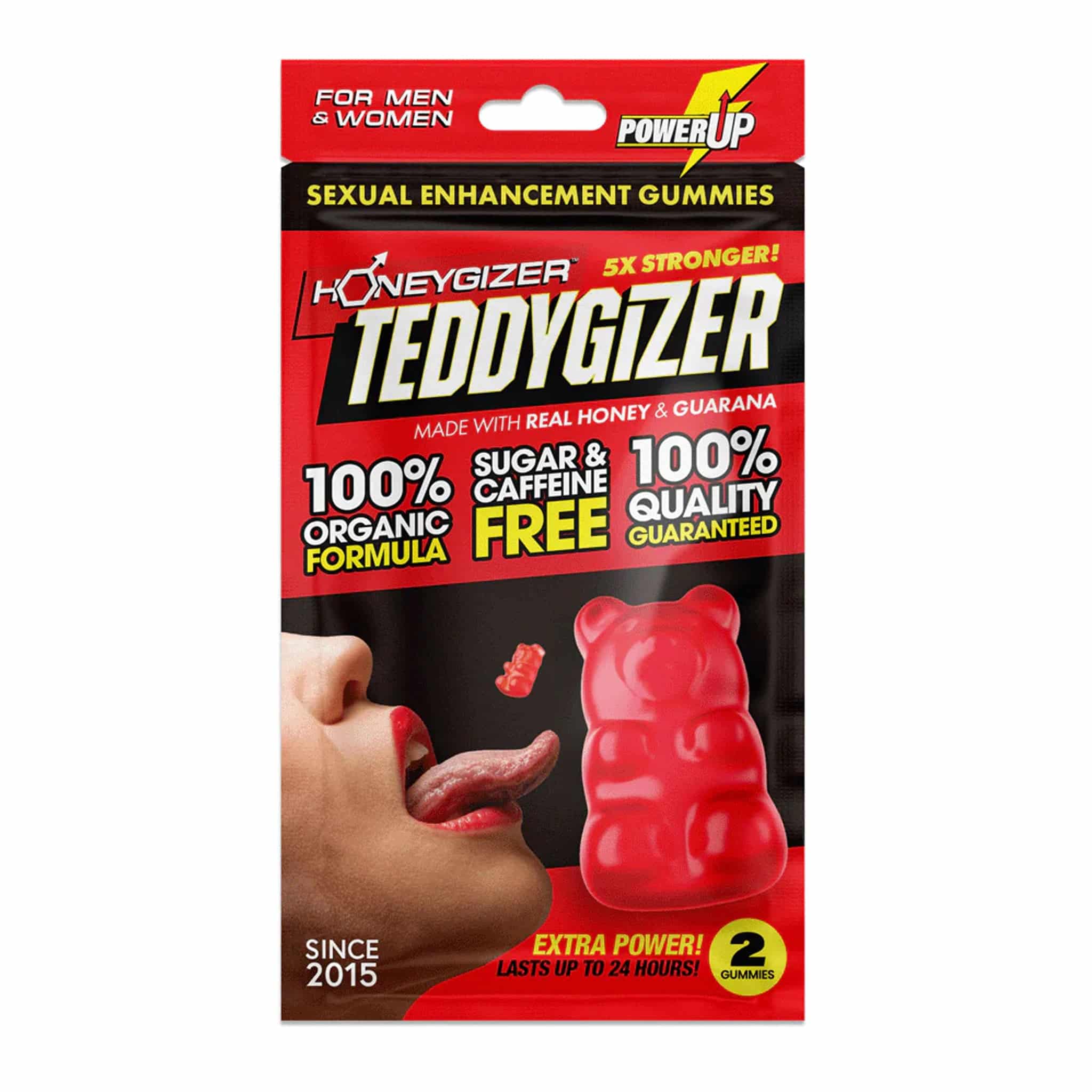
Teddygizer Enhancement Gummy Real Honey & Guarana – 1 ct.
$ 10.34
Read more
UTP Category 5E Cable, 4Pair, CM Rated, 0.189in (4.8mm) PVC, 24AWG Solid Copper.LS adalah produk dari LG Electronic Korea. Cable ini sudah teruji untuk aliran data maupun POE. Cable UTP ini sangat cocok untuk instalasi jaringan komputer, ataupun instalasi jaringan wireless akses point POE.
